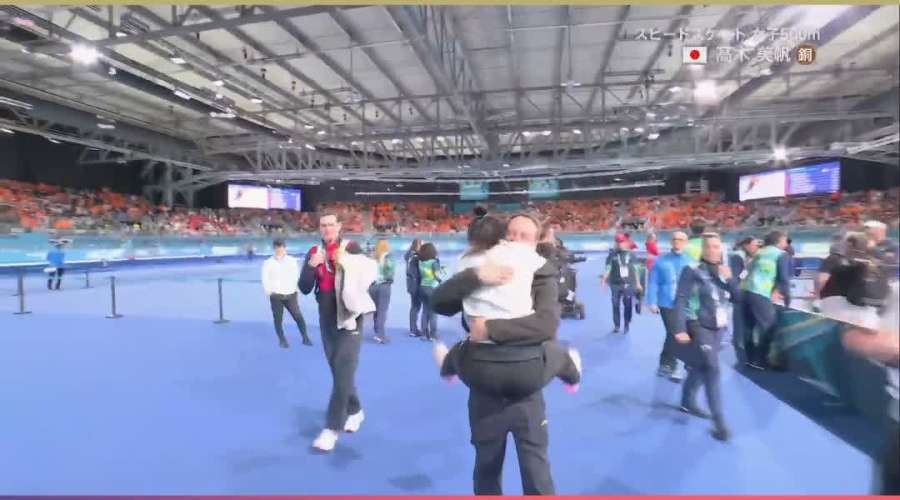



Antoinette De Jong claimed Olympic gold in the women's 1500m speed skating at Milano Cortina 2026 after Japan's Miho Takagi crumbled under pressure in the final pairing.
The Dutch skater capitalized on a dramatic collapse by Takagi, who started as one of the favorites but failed to deliver when it mattered most. Skating in the final pair—a position often considered both an advantage and a curse in speed skating—Takagi couldn't handle the pressure and saw her medal hopes evaporate on the ice.
De Jong, representing the Netherlands' proud speed skating tradition, seized the opportunity to claim her nation's latest Olympic title in the discipline. The 1500m is one of the most tactical distances in speed skating, requiring a perfect balance of speed, endurance, and mental fortitude.
The Curse of the Final Pair Strikes Again
The so-called "curse of the final pair" continued its reign at these Olympics. In speed skating, the final pairing typically features the top-ranked skaters based on world standings or earlier competition results. While this should theoretically favor the strongest athletes, the psychological pressure of skating last—knowing exactly what time needs to be beaten—has proven to be a significant burden.
Takagi's breakdown exemplifies this phenomenon. The Japanese skater, who has been a consistent performer on the international circuit, appeared to tighten up as she took to the ice with all eyes on her. Instead of the smooth, powerful strides expected from a medal contender, Takagi's technique faltered, and her splits told the story of a race unraveling in real time.
De Jong's Golden Moment
For De Jong, the victory represents a career-defining achievement. The Dutch speed skating program has long dominated the sport, and this gold medal adds another chapter to that legacy. De Jong's performance showcased the technical excellence and composure that separates Olympic champions from the rest of the field.
The Netherlands has historically excelled in speed skating events, with the 1500m being a particularly strong discipline for Dutch women. De Jong's triumph continues that tradition and delivers another gold medal to a nation where speed skating is not just a sport but a cultural phenomenon.
Takagi's Disappointment
For Takagi, the result will be difficult to process. Coming into the final pair with legitimate medal aspirations, the Japanese skater will now have to cope with what could have been. The mental aspect of speed skating is often underestimated, but moments like these highlight how crucial psychological strength is at the Olympic level.
The women's 1500m at Milano Cortina 2026 will be remembered as much for Takagi's collapse as for De Jong's victory—a reminder that in Olympic competition, handling pressure can be just as important as physical preparation.